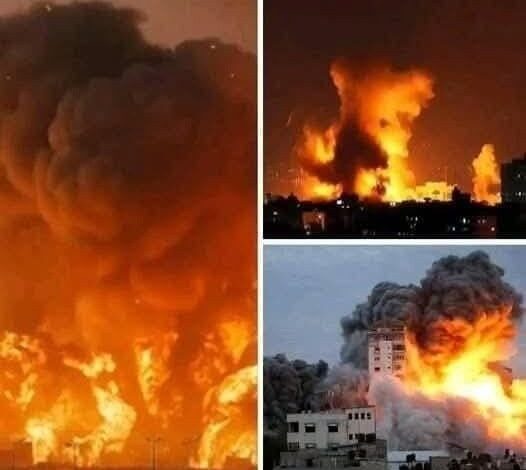
The sky above the hillside district turned a terrifying, suffocating shade of orange as a massive inferno swept through the neighborhood, leaving behind nothing but smoldering ruins where hundreds of families once built their lives. What began as a local emergency rapidly escalated into a full-scale catastrophe, obliterating homes, memories, and personal histories in a matter of hours. As the smoke finally begins to clear, the true scale of the destruction is becoming painfully evident, and for the hundreds of families who have been rendered homeless overnight, the reality of their situation is nothing short of soul-crushing.
Beyond the immediate, frantic chaos of the emergency response and the heroism of those who risked everything to save what they could, the fire has ignited a fierce and necessary debate regarding the systemic failures of infrastructure and disaster preparedness in vulnerable, high-risk regions. Experts and residents alike are now pointing fingers at years of planning negligence, questioning why neighborhoods in such notorious fire-prone corridors were allowed to expand with so little regard for environmental hazards. The conversation has turned toward the materials used in construction, the lack of accessible escape routes for fleeing families, and the woefully inadequate water systems that left emergency crews fighting a losing battle against the encroaching wall of flame. People are demanding to know if enough preventive investment was ever truly made, or if this disaster was an entirely avoidable outcome of prioritizing development over public safety.
The tragedy has also exposed the brutal economic vulnerabilities that were quietly festering beneath the surface of the community long before the first spark was struck. Many of the families impacted by this blaze were already balancing on a razor-thin margin of financial stability. For them, a home was not just a place to sleep; it was their primary financial asset, their life savings, and the only anchor they had in an increasingly expensive world. Now, that foundation has been vaporized. Recovery experts are warning that without a massive, sustained, and immediate influx of long-term support, this fire will inevitably widen the gap of inequality in the region. There is a very real, haunting fear that many of these residents will be permanently displaced because the cost of rebuilding and the bureaucratic hurdles of navigating insurance claims will prove far too steep for families who have already lost everything.
Despite the absolute devastation, the human spirit has displayed an incredible, if bittersweet, level of resilience. In the immediate aftermath, the community has functioned as a lifeline for itself. Local volunteers, ad-hoc neighborhood groups, small nonprofits, and overworked emergency teams have mobilized with breathtaking speed, turning empty lots and public spaces into hubs for food, clothing, temporary shelter, and emotional triage. Neighbors who have lost everything of their own are still finding ways to help those standing right next to them. This collective response is a testament to the strength of human connection in the darkest of hours, but it also highlights the desperate need for a more structured, robust support system that does not rely on the kindness of survivors to fill the gaps left by institutional failure.
Government officials are now facing unprecedented pressure to transition from the immediate phase of emergency relief into a concrete, sustainable recovery plan that actually serves the people. The task ahead is Herculean. It involves navigating the labyrinth of housing assistance programs, helping terrified families parse through complex insurance policies, fast-tracking rebuilding permits, and conducting a ruthless, honest review of the region’s infrastructure. Furthermore, there is an urgent demand for long-term policy shifts. Citizens are refusing to let this be treated as a freak accident; they are insisting that local government commit to real, measurable fire prevention strategies and a fundamental rethink of how we build and maintain housing in a changing climate.
While the full financial and human toll is still being calculated, it is already clear that this fire has transformed into something much larger than a local emergency. It has become a national flashpoint, serving as a grim mirror for the thousands of other communities across the country that sit in equally precarious positions. It is fueling a wider, more desperate conversation about disaster readiness, housing vulnerability, and the long, painful road to recovery after a large-scale loss. Every policy decision made in the coming months will set a precedent for how the state handles future disasters, and the public is watching closely to see if the lessons learned will finally lead to meaningful action rather than just empty promises.
For the hundreds of families currently scattered across temporary shelters, couch-surfing with distant relatives, or struggling to navigate the nightmare of displacement, the focus remains painfully simple and immediate. The grand political discussions about infrastructure, policy, and long-term urban planning feel like a world away from the reality of their daily survival. Their burning questions are immediate and visceral: Where will I sleep tonight? How do I replace the medicine, the documents, and the clothes I left behind in the smoke? Will the support that is currently flowing into the community remain in place when the cameras stop flashing, or will they be left to rebuild their lives in silence long after the headlines fade and the rest of the world moves on to the next disaster? The path forward is long, and for those who have lost their homes, the journey toward even a semblance of normalcy feels like an impossible climb.