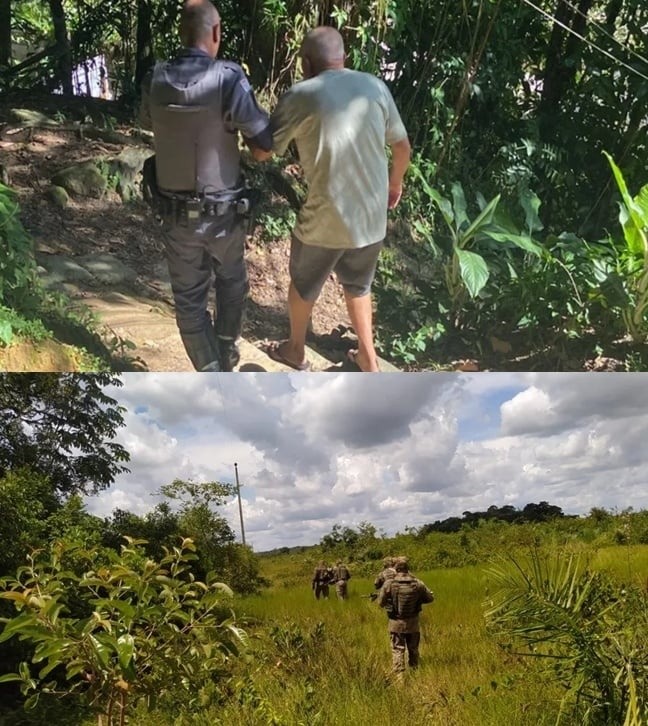
What began as what seemed to be a friendly online conversation turned into a frightening experience for a 71-year-old man who believed he was about to meet someone he had grown to trust. According to authorities, the man had spent time communicating with an individual online who presented herself as a young woman interested in getting to know him. The conversations appeared genuine, and over time the man became comfortable enough with the interaction to agree to meet in person.
Unfortunately, investigators say the situation was not what it appeared to be.
The man reportedly arrived at a location that had been agreed upon during the online exchanges. Expecting to meet the person he had been speaking with, he instead found himself facing a completely different reality. Authorities allege that the online profile had been part of a deceptive scheme designed to lure him to the location under false pretenses.
What happened next left the man shocked and confused.
Instead of meeting the friendly individual he believed he had been talking to, he was confronted by people who investigators say had orchestrated the encounter from the beginning. The sudden realization that he had been deceived transformed what he thought would be an ordinary meeting into a deeply unsettling experience.
Law enforcement officials say cases involving online deception have become increasingly common in recent years. Criminals and scammers often create convincing fake identities, carefully crafting profiles and conversations that appear authentic. Through patience and manipulation, they gain the trust of victims before arranging meetings, requesting money, or carrying out other fraudulent activities.
In this case, investigators believe the victim’s age may have played a role in why he was selected. Older adults are frequently targeted by scammers because they are sometimes perceived as more trusting or less familiar with modern online risks. However, authorities stress that people of all ages can become victims of sophisticated online schemes.
The growth of social media platforms, dating apps, messaging services, and online communities has created countless opportunities for people to connect. While these technologies have brought many benefits, they have also provided new avenues for criminals seeking to exploit unsuspecting individuals.
Experts explain that one of the most effective tactics used by scammers is the creation of emotional trust. Rather than rushing their victims, they often spend days, weeks, or even months building relationships. By establishing a sense of familiarity and comfort, they lower the target’s defenses and increase the likelihood that the victim will comply with requests or agree to meetings.
Many victims later report that nothing initially seemed suspicious. Conversations may appear friendly, respectful, and completely normal. Photos used in fake profiles are often stolen from real people, making the deception even more convincing. Some scammers go to great lengths to create detailed backstories that help reinforce the illusion of authenticity.
Authorities say the emotional impact of such incidents can be significant. Victims often experience feelings of embarrassment, betrayal, fear, and confusion after discovering they have been deceived. In many cases, the psychological effects can linger long after the immediate incident has ended.
The situation involving the 71-year-old man serves as a reminder that online interactions should always be approached with caution, particularly when personal meetings are involved. Investigators encourage individuals to take steps to verify identities whenever possible before meeting someone they have only interacted with online.
One commonly recommended safety measure is conducting video calls before agreeing to meet in person. Seeing and speaking directly with someone can help confirm whether they match the identity they have presented online. While this method is not foolproof, it can provide an additional layer of protection.
Authorities also emphasize the importance of selecting public meeting locations if an in-person encounter is planned. Busy places such as coffee shops, restaurants, shopping centers, or community spaces generally offer greater safety than isolated locations. Public settings increase visibility and reduce opportunities for harmful situations to develop.
Another key recommendation is informing trusted friends or family members about any planned meeting. Sharing details such as the location, time, and identity of the person being met can help ensure that someone knows where to look if something goes wrong. Some experts also recommend arranging regular check-ins during the meeting.
Law enforcement officials advise people to trust their instincts if something feels unusual. Unexpected changes in plans, requests to meet in remote areas, pressure to keep conversations secret, or inconsistent personal details may all be warning signs that warrant caution.
The rise in online scams has prompted many organizations to launch awareness campaigns focused on digital safety. These efforts aim to educate the public about common tactics used by fraudsters and encourage safer online behavior. Despite these initiatives, new schemes continue to emerge as criminals adapt to changing technology.
Investigators handling cases like this one often stress that victims should not hesitate to report suspicious activity. Even if no financial loss occurs, reporting incidents can help authorities identify patterns, track suspects, and potentially prevent others from becoming victims.
As the investigation continues, officials hope the case will encourage greater awareness about the risks associated with online interactions. While many internet connections are genuine and harmless, it is important to remember that not everyone online is who they claim to be.
The experience endured by the 71-year-old man demonstrates how quickly trust can be exploited when false identities are involved. What began as a seemingly innocent conversation developed into a situation he never expected, underscoring the importance of caution in the digital age.
Authorities continue to urge the public to remain vigilant, verify identities whenever possible, and prioritize personal safety above all else. As online communication becomes an increasingly important part of daily life, awareness and caution remain some of the strongest tools available for preventing similar incidents in the future.
The case stands as a powerful reminder that a simple online conversation can sometimes conceal risks that are not immediately visible. Taking precautions, asking questions, and remaining alert can make all the difference when navigating relationships and interactions in today’s connected world.