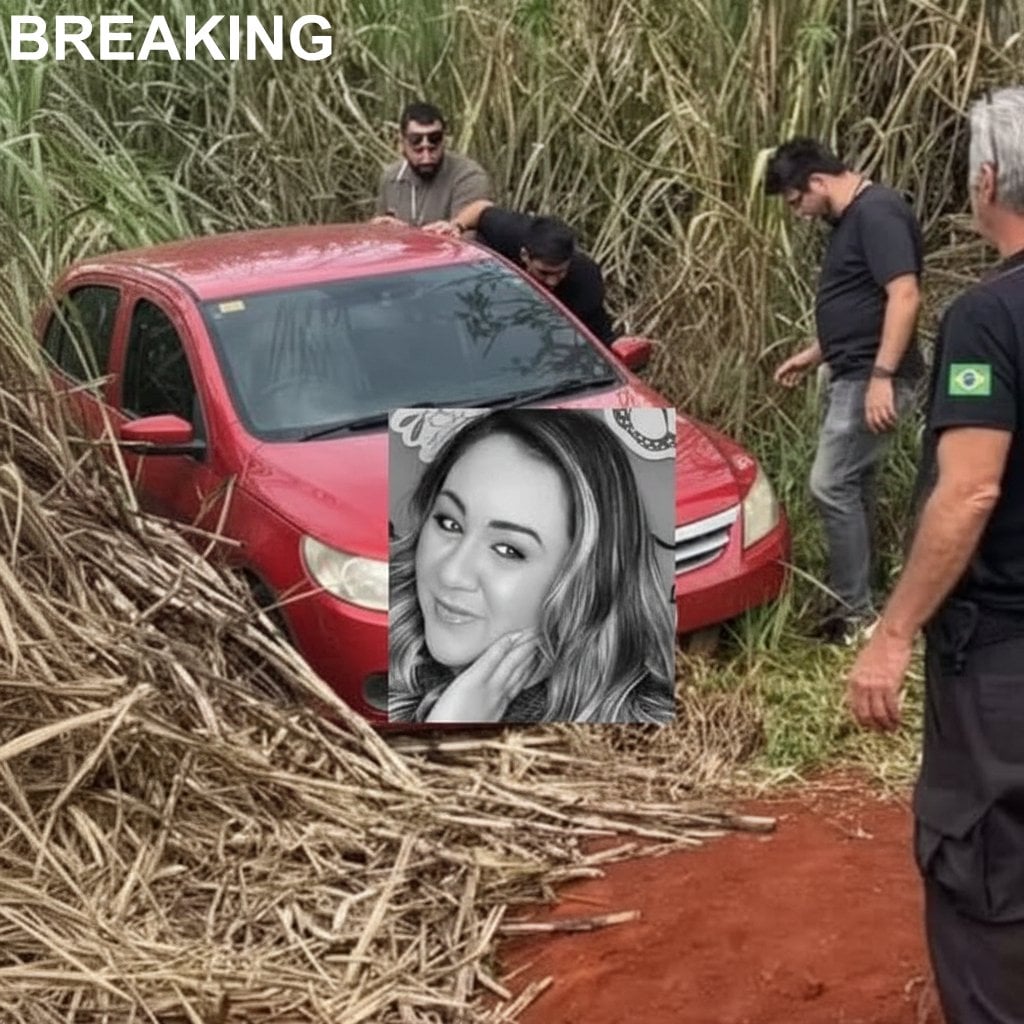
After 60 days of fear and uncertainty, Raisa has finally been found alive. For her family, the moment brought a surge of relief so overwhelming it almost felt unreal. Weeks of sleepless nights, endless searching, and constant worry suddenly gave way to a single, powerful truth: she was safe. But even as that relief settled in, it carried something heavier beneath it—questions that remain unanswered, and a silence that speaks louder than words.
When the call finally came, everything changed in an instant. For two months, Raisa’s family had lived in a state of emotional suspension, caught between hope and dread. Every phone notification, every unexpected knock, every unfamiliar voice carried the possibility of news. And now, that waiting was over. She had been found. She was alive.
Yet the moment did not unfold the way many had imagined. There was no immediate explanation, no clear account of where she had been or what she had gone through. Instead, there was a quiet pause—a space where answers should have been, but weren’t. Relief arrived first, but clarity did not follow.
For the family, that silence is not emptiness. It is something far more complex. It holds the weight of what has happened, the need to protect their child, and the understanding that some stories cannot be told all at once. While the world outside looks for details, they are focused on something more immediate: her safety, her wellbeing, and the first fragile steps toward recovery.
Officials have begun speaking in careful, measured tones. Investigations are ongoing, and every piece of information is being handled with caution. Situations like this are rarely simple, and authorities must balance the need for answers with the responsibility to ensure accuracy and sensitivity. Each statement released is deliberate, offering only what can be confirmed without causing further harm.
Meanwhile, the community that once rallied around Raisa’s disappearance is adjusting to a new reality. Streets that were once lined with her photo, shared widely in hopes of bringing her home, are now quieter. The urgency of the search has shifted into something more reflective—a collective pause as people process what it means for her to be found.
Neighbors who spent hours searching, organizing efforts, and spreading awareness now find themselves stepping back. There is a recognition that this moment belongs to the family. Their request for privacy has been heard, and for many, respecting that request is another way of showing support.
Still, curiosity lingers. It is human to want to understand, to piece together the story, to find reasons where there are gaps. But this curiosity exists alongside a growing awareness that not every detail needs to be public, at least not right away. Sometimes, the most important thing is not knowing everything, but allowing space for healing to begin.
Whispers, however, have already begun to circulate. In the absence of confirmed information, speculation often fills the void. Stories—some based on fragments of truth, others entirely imagined—spread quickly, especially in a connected world where information moves faster than it can be verified. This creates a delicate situation, where misinformation can take hold even before the facts are fully known.
For Raisa and her family, this adds another layer to an already difficult moment. Returning home is not simply an end—it is the beginning of a new chapter, one that may involve emotional recovery, rebuilding trust, and processing experiences that others cannot fully see or understand.
Experts often emphasize that situations involving missing individuals do not end when the person is found. The aftermath can be just as significant as the disappearance itself. There may be emotional, psychological, and social challenges that take time to address. Recovery is not immediate—it is a process, one that requires patience, care, and support.
In this case, the focus remains on Raisa’s wellbeing. Those closest to her are likely prioritizing stability, ensuring she feels safe and supported after everything she has been through. These early moments are critical, as they set the foundation for how she will begin to heal.
For the wider community, the situation serves as a reminder of both vulnerability and resilience. It highlights how quickly lives can change, but also how collective effort and concern can make a difference. The same people who once searched tirelessly are now offering a different kind of support—quiet respect, understanding, and space.
There is also a broader lesson in how such stories are approached. While the instinct to seek answers is natural, it is equally important to recognize the human side of the situation. Behind every headline is a person, a family, and a set of experiences that cannot be reduced to speculation or rumor.
As investigators continue their work, more information may eventually come to light. There will likely be explanations, timelines, and details that help clarify what happened during those 60 days. But those answers will come in time, and when they do, they should be handled with care.
For now, what remains most important is simple, yet profound: Raisa is alive. That truth, above all else, is what matters in this moment. Everything else—every question, every detail—can wait.
The road ahead will not be easy. Healing rarely is. But it begins with small steps: safety, support, and the presence of people who care. For Raisa and her family, those steps are already underway, even if the world cannot yet see them.
In the end, this story is not just about disappearance or return. It is about resilience, about the strength to endure uncertainty, and about the quiet, often unseen process of finding a way forward after something life-altering has occurred.
And as the community watches from a respectful distance, one hope remains at the center of it all—that healing comes before answers, and that when the truth does emerge, it brings not more harm, but understanding.
